

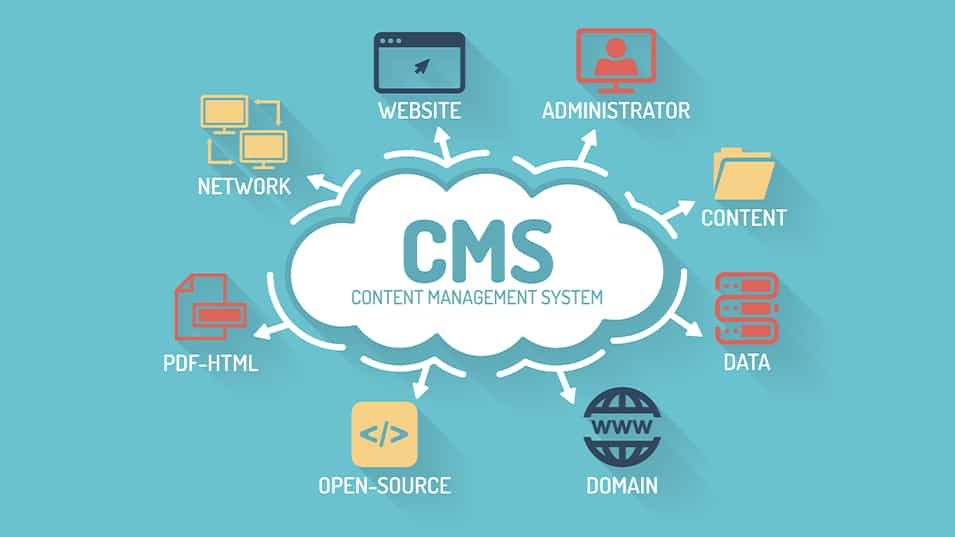
Choosing the right Content Management System (CMS) is one of the most important decisions for any website owner. A CMS affects how your website is structured, how content is published, and how search engines crawl your pages. Selecting an SEO-friendly CMS can make optimizing your website easier, improve your rankings, and increase organic traffic over time.
Your CMS impacts every technical aspect of SEO, from URL structure and internal linking to page speed and mobile responsiveness. Search engines favor websites that are organized, fast, and user-friendly. If your CMS generates messy code, duplicate content, or slow-loading pages, even high-quality content may fail to rank well. A CMS that supports SEO features and performance optimization allows website owners to focus on content strategy and marketing rather than technical hurdles.
When choosing a CMS for SEO, it is important to look for certain key features. These include editable metadata for titles, headings, and meta descriptions, clean and readable URLs with keywords, tools for managing internal linking and site hierarchy, fast page loading and performance optimization, and mobile responsiveness to ensure your site works well on all devices. A CMS with these capabilities gives your website a solid foundation for long-term search engine visibility.
WordPress is one of the most popular CMS platforms for SEO due to its flexibility and ease of use. Its extensive ecosystem of plugins, such as Yoast SEO and Rank Math, allows users to optimize metadata, create sitemaps, implement structured data, and manage redirects without extensive technical knowledge. WordPress is particularly suited for content-driven websites such as blogs, service providers, and agencies. Its responsive and lightweight themes ensure fast loading speeds, while its simple publishing system encourages regular content updates, which are favored by search engines.
Shopify is another CMS designed specifically for eCommerce websites. It automates many SEO tasks, including HTTPS security, sitemap generation, and mobile optimization. Shopify also offers fast and reliable hosting, which enhances user experience and contributes to higher search engine rankings. Shopify is ideal for small to medium online stores that want a simple and manageable solution. Its structured product pages make indexing easier for search engines, although it is less flexible than WordPress in terms of advanced URL customization and technical SEO settings.
Drupal is a powerful CMS suited for large and complex websites. It offers complete control over URLs, metadata, content organization, and multilingual SEO. Drupal is commonly used by enterprise websites, government portals, and high-traffic platforms that require scalability and advanced security. Its clean code output and performance optimization options make it suitable for websites with large volumes of content. However, Drupal requires technical expertise to set up and maintain, making it better suited for organizations with dedicated development teams.
Magento is designed for enterprise-level eCommerce websites with extensive product catalogs. It provides advanced control over product pages, category structure, metadata, indexing rules, and structured data. Magento’s scalable architecture allows businesses to manage large online stores while implementing sophisticated SEO strategies. This CMS works best for companies with in-house developers who can optimize performance and maintain technical complexity across thousands of products.
Selecting the best CMS for SEO ultimately depends on your website’s size, goals, and technical resources. WordPress is ideal for content-heavy websites and blogs, Shopify is best for small to medium online stores that need simplicity, Drupal works well for large, complex, or multilingual websites, and Magento is perfect for enterprise eCommerce businesses. Choosing a CMS that fits your SEO strategy ensures that your website is optimized for search engines from the start.
A CMS forms the foundation of your SEO efforts, but it is only one part of the equation. Combining the right platform with quality content, consistent updates, and technical best practices is essential for achieving sustainable search engine visibility. By selecting the best CMS for your needs, you can ensure long-term organic growth, improved rankings, and a strong online presence in 2026 and beyond.